
-
Opening hours :
Monday - friday, 08am - 05pm
-
Address :
Saderbal, Hazratbal, Jammu and Kashmir 190006

Menu
We provide gentle and effective care for Haemorrhoids
Piles (Hemorrhoids) – Homeopathic Treatment
Piles, also known as hemorrhoids, are swollen and inflamed veins in the anal canal and rectum. They can cause discomfort, itching, pain, and bleeding during bowel movements. Although common, piles can interfere with daily life if not managed properly.
Homeopathy offers gentle, safe, and effective remedies that relieve symptoms, improve digestion, and prevent recurrence by addressing the root cause.

What are Piles?
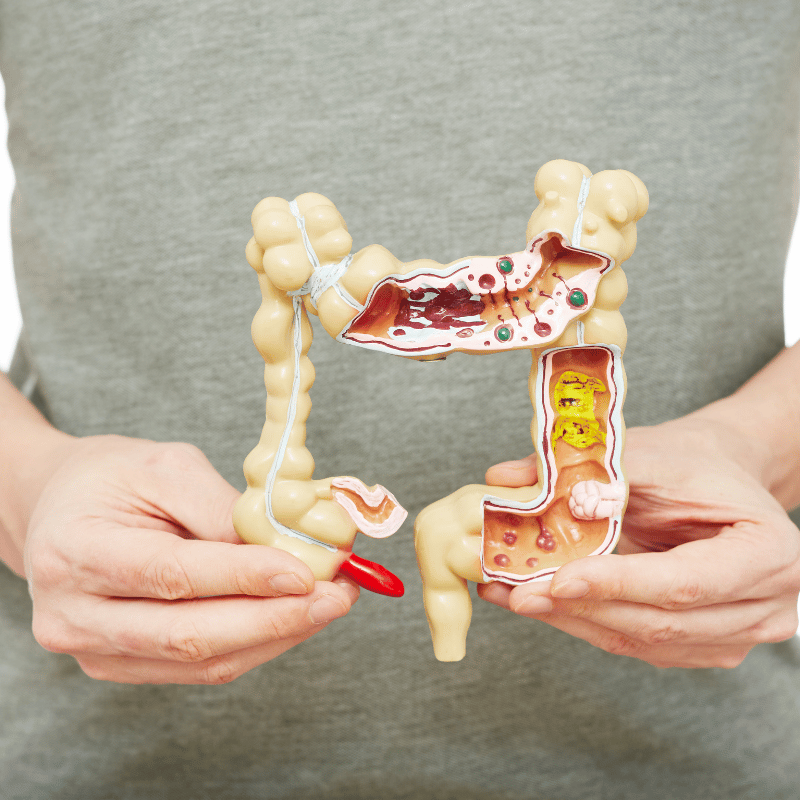
Piles are collections of swollen veins in the rectal and anal region, similar to varicose veins. They may occur inside the anal canal (internal piles) or around the anus (external piles). While some cases are mild, advanced piles can cause pain, bleeding, and even prolapse of rectal tissue.
- Types of Piles
Internal piles are swollen blood vessels that develop inside the rectum. In the early stages, they are usually painless since the rectum has fewer pain-sensitive nerves. However, one of the most common signs is bright red bleeding during bowel movements, which may be noticed on toilet paper or in the stool. In advanced cases, the piles may enlarge and prolapse outside the anus, sometimes returning on their own or needing to be pushed back. If untreated, they can cause irritation, itching, and discomfort.
External piles are swollen veins that develop beneath the skin around the anus. Unlike internal piles, they are often painful and uncomfortable, especially during sitting, walking, or passing stools. They may appear as swollen lumps or hard nodules around the anal opening and can cause itching, irritation, and tenderness. In some cases, a clot may form inside the vein (thrombosed pile), leading to severe pain, swelling, and bluish discoloration.
Health Check-ups and Screenings for Piles
- Physical Examination of Anal Region
- Digital Rectal Exam
- Anoscopy or Proctoscopy (to check internal piles)
- Colonoscopy / Sigmoidoscopy (to rule out other conditions)
- Blood Tests (CBC) to detect anemia due to blood loss
- Dietary & Lifestyle Evaluation
The exact screenings may vary depending on age, symptoms, and family history. Always consult your healthcare provider for personalized evaluation.
- Causes of Piles
Haemorrhoids (piles) often develop due to constant strain on rectal veins. Chronic constipation or diarrhea, repeated straining during bowel movements, and a low-fiber diet are common triggers. Pregnancy and childbirth increase pressure in the pelvic region, making women more vulnerable. A sedentary lifestyle, weak rectal muscle tone, and even hereditary tendencies can further raise the risk. Together, these factors lead to swelling of anal veins, causing pain, itching, bleeding, and discomfort if not managed in time.
- Signs and Symptoms
The common signs of haemorrhoids (piles) include bleeding during stool passage, pain while passing stools, and itching or irritation around the anus. Many patients also notice swelling or a tender lump near the anal opening, accompanied by soreness and discomfort. In some cases, a dull ache or heaviness in the rectum may persist, especially after prolonged sitting. These symptoms can range from mild to severe and often worsen if left untreated.
Complications
If left untreated, piles can lead to serious complications. External piles may develop blood clots, causing peri-anal thrombosis with severe pain and swelling. Continuous bleeding may result in chronic anemia, while recurrent infection and abscesses can form an anal fistula. In advanced cases, patients may suffer from fecal incontinence or even rectal prolapse, where part of the rectum protrudes outside. Early diagnosis and proper treatment are essential to prevent these complications and ensure long-term relief.
Diagnosis
Diagnosis of piles involves a careful medical assessment. The doctor begins with a detailed patient and family history to understand risk factors. A physical and rectal examination is performed to check for swelling, lumps, or bleeding. In some cases, procedures like colonoscopy or sigmoidoscopy are advised to rule out other conditions such as polyps, colorectal cancer, or inflammatory bowel disease, ensuring an accurate diagnosis and appropriate treatment plan.
- Prevention & Dietary Management
A healthy lifestyle plays a key role in preventing piles. Eating a fiber-rich diet with whole grains, vegetables, and fruits keeps stools soft and prevents constipation. Drinking plenty of water supports digestion, while regular exercise improves bowel movements and circulation. It’s best to avoid spicy, oily, and processed foods, as well as limit caffeine and alcohol, which may irritate the digestive system. Developing good habits, like avoiding prolonged sitting and straining during stools, further reduces the risk of haemorrhoids and supports long-term rectal health.
- Homeopathic Management
At kmrhomoeoremedies.com, Piles is treated with safe and natural homeopathic remedies that go beyond symptom relief to address the root causes of the disease. Each treatment plan is carefully customized for the patient, aiming to reduce scaling, itching, and prevent recurrence.
Homeopathy plays a supportive role in piles management by:
- Ratanhia – Severe burning and pain after stools
- Aesculus hippocastanum – Painful piles with backache
- Aloe socotrina – Protruding piles with mucus discharge
- Nux Vomica – Piles with constipation and straining
- Collinsonia – Painful, bleeding piles, especially during pregnancy
- Millefolium – Bright red bleeding from piles
Homeopathy offers gentle and effective relief from piles. It works by reducing bleeding, pain, and itching, while also improving digestion and regulating bowel habits to ease strain. With a holistic approach, homeopathy helps prevent recurrence and supports long-term rectal health naturally, without side effects.
Frequently Asked Questions
Are piles contagious?
No, piles are not contagious. They develop due to lifestyle and digestive issues.
Can piles go away without treatment?
Mild piles may improve with diet and lifestyle changes, but chronic piles need treatment.
Are homeopathic remedies safe for piles during pregnancy?
Yes, homeopathic medicines are gentle and safe for pregnant women when prescribed by a qualified practitioner.
Can homeopathy permanently cure piles?
Homeopathy addresses the root cause, offering long-term relief and preventing recurrence, though results vary from person to person.
What lifestyle changes help in piles management?
High-fiber diet, regular hydration, avoiding straining, and staying active are key.
Disclaimer: Results and patient experiences may vary. These are dependent on a number of factors including age, medical history, lifestyle and more.