Dr. Sofiaa

We specialize in restoring hair health.

Hair Loss (Alopecia) – Homeopathic Remedies

Hair loss, also known as alopecia or baldness, is a common condition that affects both men and women. It may involve thinning of hair, patchy bald spots, or complete hair loss from the scalp and other body parts.

Although not life-threatening, hair loss often causes emotional distress, low confidence, and social anxiety. With proper care and holistic management, hair loss can be controlled. Homeopathy offers safe and natural remedies that not only address hair loss but also improve scalp health and overall well-being.

Untitled (800 x 800 px) (1920 x 1080 px) (1920 x 800 px) (800 x 800 px) (10)

What is Hair Loss?

Hair loss (alopecia) is the shedding of hair from part of the head or body. It can range from mild thinning to complete baldness. Normally, we lose 50–100 hairs daily, which are replaced by new growth. When this cycle is disturbed, hair density gradually decreases.

  • Types of Hair Loss

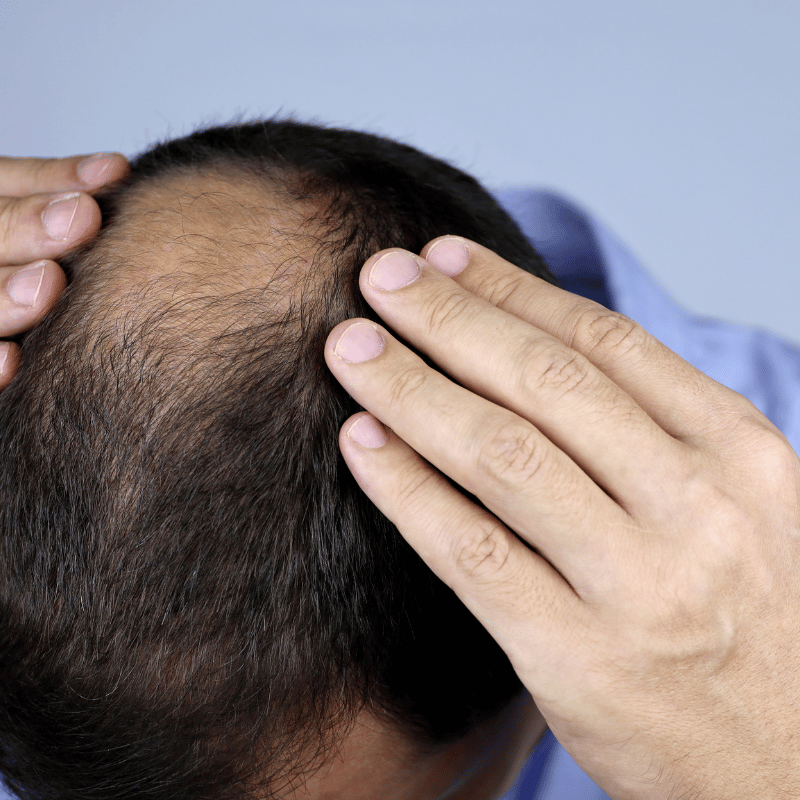
Male-pattern baldness, or androgenetic alopecia, is a common condition marked by gradual hair thinning at the temples and crown. Influenced by genetics and hormones, it often progresses with age, leading to partial or complete baldness in affected men.

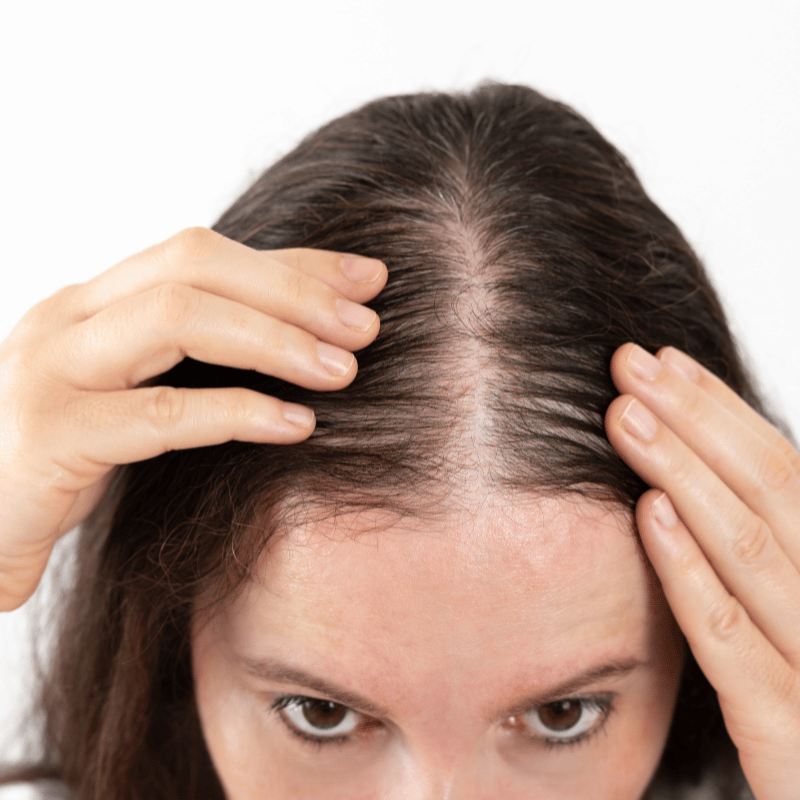
Female-pattern hair loss is characterized by diffuse thinning over the crown and a noticeable widening of the hair part. It commonly occurs due to hormonal changes, genetics, or aging, gradually reducing hair density and affecting overall scalp coverage in women.

Alopecia Areata: Autoimmune condition causing patchy bald spots on scalp, beard, or eyebrows.

Telogen Effluvium: Sudden hair shedding after stress, illness, childbirth, or medication.

Scarring Alopecia: Hair loss due to inflammation, infections, or skin disorders.

Health Check-ups and Screenings for Hair Loss

The choice of tests varies depending on age, gender, medical history, and severity of hair loss. A detailed consultation with a healthcare provider or homeopath is essential to decide the right screening plan.

  • Causes of Hair Loss

Hair loss can occur due to a wide range of factors that affect the scalp and hair growth cycle. Genetics plays a major role, with male- or female-pattern baldness running in families. Hormonal imbalances such as those caused by thyroid issues, PCOS, menopause, or pregnancy can also trigger hair thinning. Autoimmune conditions like alopecia areata, along with stress, trauma, major illness, or surgery, may contribute to sudden or chronic hair loss. Poor nutrition, especially deficiencies in iron, vitamin B12, vitamin D, zinc, or protein, weakens hair health. Infections such as fungal scalp infections and folliculitis, certain medications including chemotherapy, steroids, or blood pressure drugs, and harsh hairstyling practices like tight hairstyles, excessive heat, or strong chemicals can further damage hair, leading to significant loss over time.

  • Signs and Symptoms

Common signs and symptoms of hair loss include gradual thinning of hair across the scalp, a receding hairline in men, or a widening part line in women. Some individuals may develop patchy bald spots on the scalp, beard, or even eyebrows. Excessive hair shedding, often noticed on the pillow, comb, or shower drain, can also indicate hair loss. In cases linked to infections, symptoms like itching, redness, or scalp scaling may appear. Additionally, hair may become weak, brittle, and prone to easy breakage, further worsening the condition over time.

Complications

If left untreated, hair loss can progress and result in permanent bald patches or even scarring alopecia, where the hair follicles are irreversibly damaged. Beyond physical changes, it may also cause significant psychological distress, leading to anxiety, depression, social embarrassment, and a decline in self-esteem, affecting overall quality of life.

Diagnosis
ChatGPT said:

Hair loss is diagnosed through a detailed clinical examination of the scalp and hair, where patterns of thinning or baldness are assessed. Blood tests may be recommended to identify nutritional deficiencies or hormonal imbalances contributing to the condition. Dermoscopy helps evaluate hair follicle health and scalp condition in detail. In certain cases, especially when scarring or autoimmune causes are suspected, a scalp biopsy may be performed to confirm the diagnosis and guide appropriate treatment.

  • Prevention

Preventing hair loss involves adopting healthy lifestyle and hair care practices. A balanced diet rich in protein, iron, zinc, and essential vitamins strengthens hair from within. Avoiding harsh chemical treatments, frequent heat styling, and dyes helps protect fragile strands. Stress management through yoga, meditation, or relaxation techniques supports overall hair health. Loose hairstyles are recommended, as tight styles can strain the roots and cause traction alopecia. Additionally, addressing dandruff, scalp infections, or underlying medical conditions promptly can prevent further damage and reduce the risk of progressive hair loss.

  • Homeopathic Management

At kmrhomoeoremedies.com, hair loss  is treated with safe and natural homeopathic remedies that go beyond symptom relief to address the root causes of the disease. Each treatment plan is carefully customized for the patient, aiming to reduce scaling, itching, and prevent recurrence.

Remedies are personalized after detailed consultation and help in:

Homeopathy offers remedies for hair loss based on individual causes. Phosphorus helps with premature baldness and dandruff, Lycopodium for temple and crown thinning, Silicea for brittle hair, Thuja for dandruff-related loss, Natrum Muriaticum for stress-induced fall, and Fluoric Acid for early hereditary baldness.

Frequently Asked Questions

Not always. Many forms (like telogen effluvium or nutritional hair loss) are reversible with proper treatment.

Yes, homeopathy can stimulate regrowth in many cases by addressing the root cause, especially in early stages.


Results vary. Some patients notice improvement in 2–3 months, while chronic cases may take longer.


management.

Yes, stress is a major trigger for sudden hair loss and can worsen existing baldness.

Yes, remedies can support regrowth, improve scalp health, and speed recovery.

Disclaimer: Results and patient experiences may vary. These are dependent on a number of factors including age, medical history, lifestyle and more.