
-
Opening hours :
Monday - friday, 08am - 05pm
-
Address :
Saderbal, Hazratbal, Jammu and Kashmir 190006

Menu
We specialize in neurological care.
Migraine – Homeopathic Remedies
Migraine is a neurological condition characterized by intense, recurring headaches, often affecting one side of the head. It is usually associated with nausea, vomiting, and heightened sensitivity to light and sound. Migraine attacks can last for hours to days and significantly impact daily activities.
Homeopathy offers supportive treatment that helps manage symptoms, reduce attack frequency, and improve overall well-being while working alongside lifestyle modifications and conventional care.
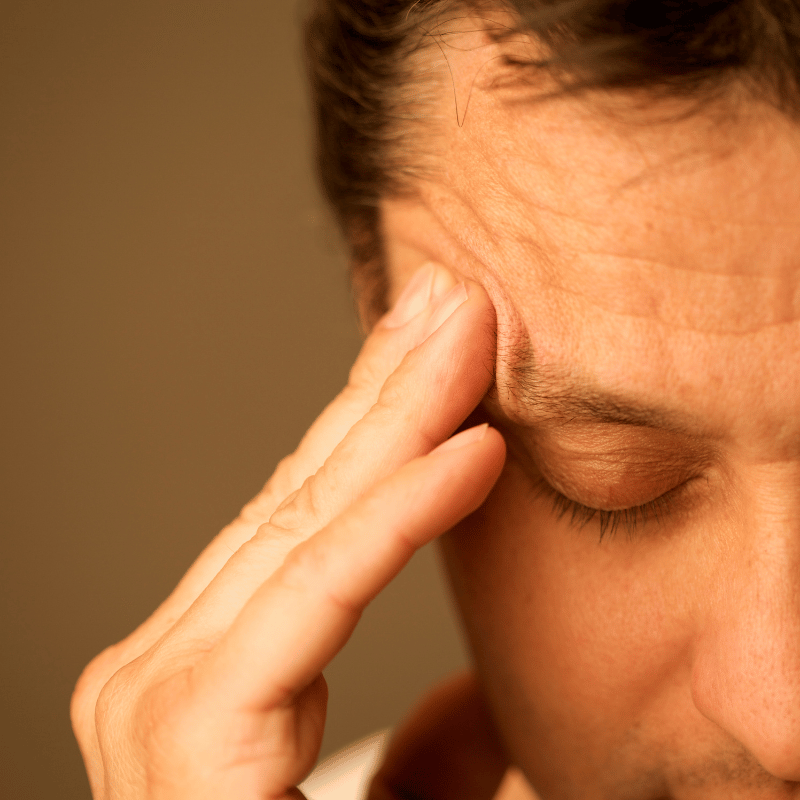

What is Migraine?
A migraine is a severe headache that can occur on one side or both sides of the head. It is often accompanied by nausea, vomiting, and sensitivity to light and sound. Attacks can last from a few hours to several days, and the pain may be throbbing or pulsating.
- Causes of Migraine
Migraine can be triggered by a variety of factors, including:
Stress and emotional triggers: Emotional stress, anxiety, or tension can overstimulate the nervous system, often leading to migraine attacks.
Hormonal changes:Fluctuations in hormones, particularly estrogen in women, can trigger migraines, commonly around menstruation, pregnancy, or menopause.
Skipping meals: Missing meals or fasting can cause a drop in blood sugar levels, which may provoke migraine episodes.
Sleep disturbances: Irregular sleep patterns, lack of sleep, or oversleeping can upset the body’s internal rhythm, triggering migraines.
Allergies: Allergic reactions, such as those to pollen, dust, or certain foods, can release chemicals that may lead to migraine symptoms.
Strong Lights or Loud Noises: Bright lights, flickering screens, or loud sounds can overstimulate the brain, acting as environmental triggers for migraines.
Caffeinated Drinks or Oral Contraceptives: Excess caffeine or certain medications, including oral contraceptives, can influence blood vessels and hormones, increasing migraine risk.
Health Check-ups and Screenings for Migraine
- Homeopathic evaluation for migraines includes:
- Detailed Case History: Understanding headache patterns, triggers, and lifestyle factors.
- Physical and Neurological Assessment: Checking for underlying causes and overall health.
- Routine Blood Tests (if needed): To rule out contributing health issues.
- Lifestyle & Trigger Analysis: Identifying diet, stress, sleep, and environmental triggers.
Goal: To provide each patient with a carefully personalized homeopathic treatment plan aimed at addressing the root causes of migraines, helping to naturally reduce their frequency, intensity, and duration, while improving overall well-being and supporting long-term prevention.
- Signs and Symptoms
Migraine is characterized by a range of symptoms that can significantly impact daily life. The most prominent symptom is a severe, throbbing headache, often affecting one side of the head. Many individuals also experience nausea and vomiting, along with heightened sensitivity to light and sound. Fatigue, irritability, short temper, or difficulty concentrating are common, and physical signs such as stiff muscles, uncontrollable yawning, and increased urination may also occur. Recognizing these symptoms early can help in managing and treating migraine effectively.
Complications
Frequent or severe migraines can have a significant impact on overall well-being. They may lead to chronic pain, reducing the quality of daily life and affecting productivity. In rare cases, migraines can increase the risk of stroke. Memory difficulties may occur during or shortly after migraine attacks, and the recurring pain often contributes to emotional distress, anxiety, or mood changes. Timely management is essential to minimize these complications.
Diagnosis
Migraine is primarily diagnosed through a careful clinical evaluation. The process begins with a detailed patient history and tracking of symptoms to understand the pattern and triggers. A thorough physical and neurological examination is conducted to assess the nervous system and rule out other potential causes such as high blood pressure, sinusitis, or temporal arteritis. In rare cases, imaging tests like MRI or CT scans may be recommended to exclude more serious underlying conditions. Accurate diagnosis is essential for effective management and treatment.
- Prevention
Preventing migraines involves adopting healthy lifestyle habits and avoiding known triggers. Maintaining regular meals and staying well-hydrated can help stabilize the body and reduce attack frequency. Stress management techniques such as meditation, yoga, or relaxation exercises are highly beneficial. Ensuring adequate sleep and following a consistent sleep routine is important, while avoiding triggers like certain foods, bright lights, or strong odors can further prevent episodes. Regular exercise also supports overall health and may help decrease the intensity and frequency of migraines.
- Homeopathic Management Of Migraine
At kmrhomoeoremedies.com, Migraine is treated with safe and natural homeopathic remedies that go beyond symptom relief to address the root causes of the disease. Each treatment plan is carefully customized for the patient, aiming to reduce scaling, itching, and prevent recurrence.
Homeopathy plays a supportive role in Migraine management by:
- Belladonna: Recommended for sudden, intense, throbbing headaches, often accompanied by sensitivity to light, noise, and touch.
- Nux Vomica: Useful for headaches triggered by stress, overwork, excessive mental activity, or digestive disturbances.
- Glonoinum: Prescribed for pulsating headaches that worsen with heat, sun exposure, or physical exertion.
- Sanguinaria: Effective for migraines that begin at the back of the head and gradually spread forward, often with nausea.
- Gelsemium: Suitable for dull, heavy headaches associated with fatigue, weakness, and a feeling of heaviness in the head and neck.
Homeopathic treatment focuses not only on relieving acute symptoms but also on preventing recurrence, enhancing immunity, and improving overall well-being.
Frequently Asked Questions
Can migraine cause brain damage?
No, migraine itself does not cause brain damage, though migraine with aura may slightly increase risk for certain vascular events.
Can migraine be fatal?
No, migraines are not life-threatening. Severe dehydration due to repetitive vomiting can be dangerous if untreated.
Can homeopathy prevent migraines?
Yes, homeopathy can reduce attack frequency and severity by treating underlying triggers and strengthening the nervous system.
Is migraine a sign of a brain tumor?
No, most migraines are not caused by brain tumors. Persistent or unusual headaches should be evaluated by a physician.
Can migraine trigger memory loss?
Occasional memory lapses may occur, but chronic migraine does not cause permanent memory loss.
Disclaimer: Results and patient experiences may vary. These are dependent on a number of factors including age, medical history, lifestyle and more.