
-
Opening hours :
Monday - friday, 08am - 05pm
-
Address :
Saderbal, Hazratbal, Jammu and Kashmir 190006

Menu
Gentle Healing for Ulcerative Colitis with Homeopathy
Ulcerative Colitis – Homeopathic Treatment
Ulcerative Colitis is a chronic inflammatory bowel disease (IBD) that causes inflammation and ulceration in the lining of the colon (large intestine). The condition leads to open sores, abdominal discomfort, and recurring episodes of bloody diarrhea.
It does not follow a fixed pattern—patients may have long symptom-free periods followed by flare-ups. Though it can be distressing, with proper management, the symptoms can be controlled.Homeopathy offers a safe, natural approach that helps reduce inflammation, ease digestive discomfort, and prevent relapses by strengthening the body from within.
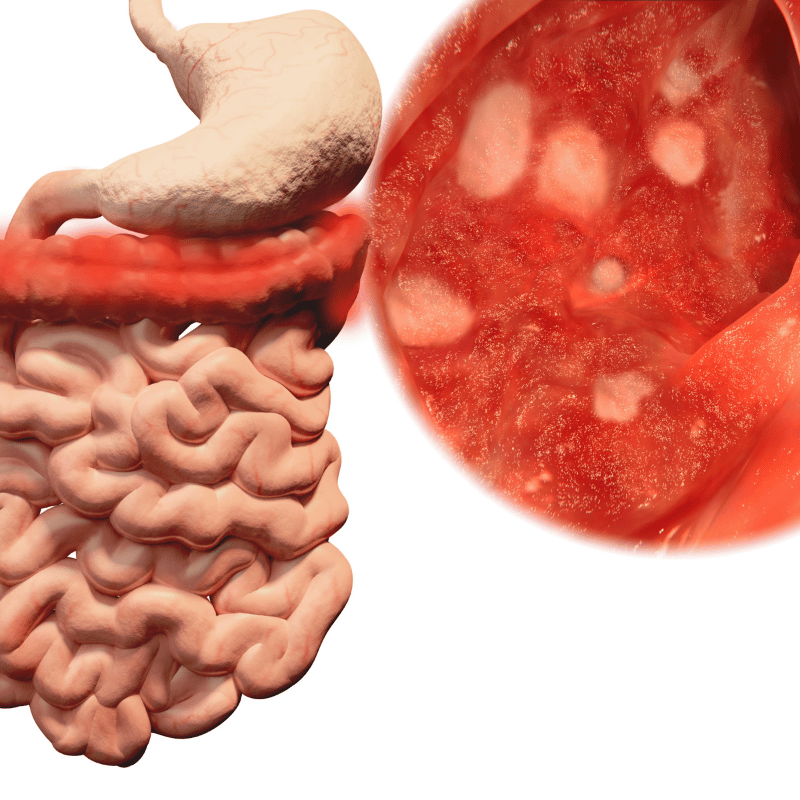

What is Ulcerative Colitis?
Ulcerative Colitis is an autoimmune condition in which the immune system mistakenly attacks the lining of the colon. This leads to chronic inflammation and the development of painful ulcers. Unlike Crohn’s disease, which may affect any part of the digestive tract, Ulcerative Colitis is restricted to the large intestine and rectum.
The most typical sign is diarrhea mixed with blood and mucus.
- Types of Ulcerative Colitis
Extensive Colitis: This type affects the entire colon and is usually associated with severe symptoms, including frequent diarrhea, abdominal pain, rectal bleeding, and weight loss. It often requires careful monitoring and long-term management to prevent complications.
Distal Colitis (Proctitis): Limited to the rectum, this form of ulcerative colitis causes symptoms like rectal bleeding, urgency, and pain during bowel movements. Though localized, it can significantly impact quality of life and may progress if untreated.
Proctosigmoiditis: This involves both the rectum and sigmoid colon, leading to diarrhea, cramps, and bloody stools. It is a common subtype of ulcerative colitis and often requires timely treatment to control inflammation and reduce recurrence.
Health Check-upss for Ulcerative Colitis
- Physical Examination & Medical History
- Colonoscopy / Sigmoidoscopy
- Stool Tests (to rule out infection and check blood/mucus)
- Blood Tests (CBC for anemia, ESR/CRP for inflammation
- Imaging Tests (X-ray, CT, MRI) if complications are suspected
- Nutritional & Immunity Assessment
Check-ups vary depending on severity, age, and overall health. A doctor or homeopathic physician can guide the best screening plan.
- Causes of Ulcerative Colitis
The primary cause of TB is infection with the bacteria Mycobacterium tuberculosis. However, the likelihood of developing the disease increases with certain risk factors. People with weakened immunity, those living in overcrowded or poorly ventilated conditions, smokers, alcoholics, or individuals with poor nutrition are more susceptible. Lack of vaccination with BCG in childhood also increases the risk.
- Signs and Symptoms
Ulcerative colitis develops due to a combination of genetic, immune, and environmental factors. A family history of inflammatory bowel disease increases risk, while autoimmune reactions cause the immune system to mistakenly attack the colon lining. Environmental triggers such as infections, diet, stress, and gut bacteria imbalance also play a role. Certain dietary habits, including excess meat protein, alcohol, unsaturated fats, and milk, may aggravate symptoms. Additionally, psychological stress is a well-recognized trigger that can worsen flare-ups, highlighting the importance of holistic care and lifestyle management alongside treatment.
Complications
ChatGPT said:
If left untreated, ulcerative colitis can result in serious complications. Continuous blood loss may cause severe anemia, leading to fatigue and weakness. In advanced cases, colon perforation or toxic megacolon may occur, both of which are life-threatening emergencies. The long-term presence of chronic inflammation increases the risk of colorectal cancer. Ongoing digestive issues can cause malnutrition and significant weight loss, weakening the body further. Additionally, ulcerative colitis may trigger extra-intestinal complications affecting the joints, skin, eyes, and liver, making early diagnosis and proper treatment crucial to prevent lasting damage.
Diagnosis
ChatGPT said:
Doctors diagnose ulcerative colitis through a combination of clinical evaluation and medical tests. Colonoscopy with biopsy is considered the gold standard, as it allows direct visualization of the colon lining and confirmation of inflammation. Stool analysis helps rule out infections that may mimic similar symptoms. Blood tests are performed to check for anemia, nutritional deficiencies, and markers of inflammation. In cases where complications such as perforation or toxic megacolon are suspected, imaging scans like CT or MRI may also be recommended to assess the extent and severity of the disease.
- Prevention & Lifestyle Care
Although ulcerative colitis has no permanent cure, its symptoms can be effectively managed through healthy lifestyle practices. A balanced, low-irritant diet helps reduce flare-ups and supports digestion. Avoiding alcohol, smoking, and processed foods prevents additional irritation to the gut. Regular stress management techniques such as yoga, meditation, or breathing exercises play an important role in controlling flare-ups triggered by anxiety or emotional strain. Staying well-hydrated and consuming small, frequent meals aids better digestion and reduces discomfort. Most importantly, regular follow-ups with a doctor or homeopath ensure timely adjustments in treatment and long-term health maintenance.
- Homeopathic Management of Ulcerative Colitis
At kmrhomoeoremedies.com, ulcerative colitis is treated with safe and natural homeopathic remedies that go beyond symptom relief to address the root causes of the disease. Each treatment plan is carefully customized for the patient, aiming to reduce scaling, itching, and prevent recurrence.
Commonly used remedies include:
- Arsenic Album: For diarrhea with burning pains and exhaustion.
- Ferrum Metallicum: For weakness and anemia due to chronic blood loss.
- Mercurius Corrosivus: For frequent stools with blood and tenesmus
- Nitric Acid: For painful stools with bleeding and fissures.
- Nux Vomica: For cramping pains and digestive upsets worsened by stress
Homeopathy provides gentle, natural support for ulcerative colitis by addressing symptoms and overall health. It helps control bleeding, diarrhea, and abdominal cramps, while improving digestion and nutrient absorption. Remedies strengthen immunity, reduce relapses, and enhance quality of life without side effects.
Frequently Asked Questions
Is Ulcerative Colitis curable?
There is no permanent cure, but homeopathy helps manage symptoms and prevent relapses.
Can Ulcerative Colitis lead to cancer?
Yes, long-standing untreated cases increase the risk of colon cancer. Regular monitoring is important.
Is it the same as Crohn’s disease?
No, Crohn’s can affect any part of the digestive tract, while Ulcerative Colitis is limited to the colon and rectum.
Can diet improve Ulcerative Colitis?
Yes, avoiding trigger foods (alcohol, red meat, fatty foods, excess dairy) and following a balanced diet can reduce flare-ups.
Can stress worsen symptoms?
Yes, stress is a major trigger for relapses and flare-ups. Stress management is essential.
Disclaimer: Results and patient experiences may vary. These are dependent on a number of factors including age, medical history, lifestyle and more.